
 03 9467 9444
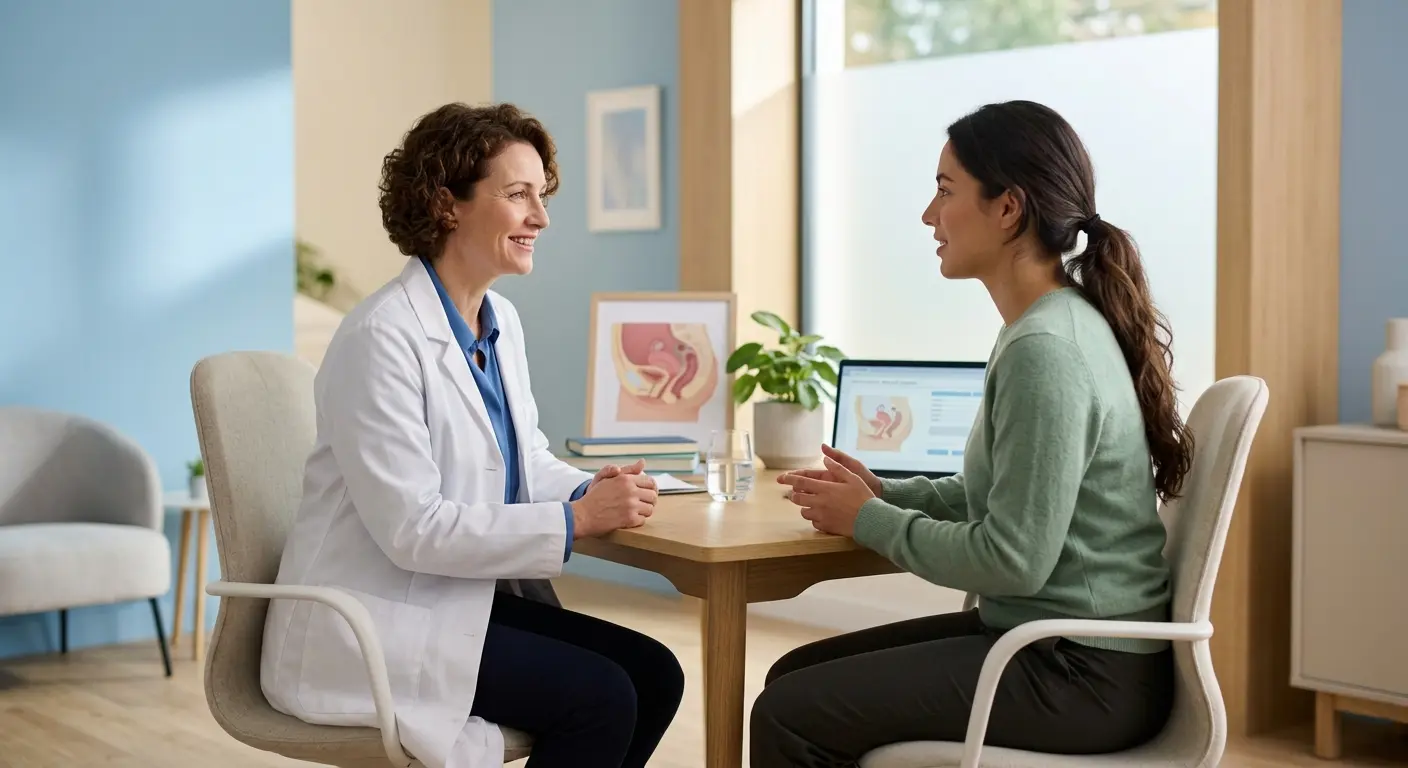
Pelvic pain is one of the most frustrating things a woman can go through, partly because it often takes so long to find the cause. It can be sharp or dull, constant or come and go, mild or completely debilitating. When scans and other simple tests don’t give answers, laparoscopic surgery often becomes the most useful next step. For many women, a laparoscopy is the moment they finally get a clear answer for what’s been happening in their body.
This guide is for women living with unexplained pelvic pain who are wondering whether more testing, including keyhole surgery, might give them answers.
Understanding Unexplained Pelvic Pain
Pelvic pain means pain in the lower tummy or pelvis, below the belly button and between the hips. It can be sudden and short-lived (acute), or ongoing for three months or more (chronic). Chronic pelvic pain is especially tricky, since it often has more than one cause and can be hard to work out without further testing.
Women with chronic pelvic pain can find it seriously affects daily life, work, relationships, and mental health. It is not something to just push through. Ongoing unexplained pain deserves a proper look.
When Is Further Testing Needed?
Not all pelvic pain needs a laparoscopy. Many causes can be found or strongly suspected through your history, physical exam, blood tests, and pelvic ultrasound.
Consider asking for a specialist review if:
– Pelvic pain has lasted three months or more with no clear cause
– Pain is getting in the way of daily life or needs regular pain relief
– A pelvic ultrasound hasn’t found a clear cause
– Pain comes and goes with your period and gets worse around that time, which can point to endometriosis
– You’ve had ongoing bladder symptoms, bowel changes, or pain during sex alongside the pelvic pain
– Past treatments, including hormone therapy or pain management, haven’t given enough relief
A gynaecology specialist in Melbourne with experience in pelvic pain can look at your symptoms alongside your full history and work out whether laparoscopy is the right next step.
What Can Laparoscopy Show?
Laparoscopy provides a direct view of the pelvis that ultrasound and MRI simply cannot match. The camera lets the surgeon clearly see the womb, tubes, ovaries, bladder, bowel surface, and pelvic sides. It can also show scar tissue and unusual patches that scans often miss.
| Possible Cause | Common Signs | How It’s Usually Found |
|---|---|---|
| Endometriosis | Painful periods, pain during sex, bloating | Often missed on ultrasound; confirmed by laparoscopy |
| Scar tissue (adhesions) | Dull, hard-to-pinpoint pain | Rarely visible on scans; found during laparoscopy |
| Ovarian cysts | Sharp or dull one-sided pain | Usually seen on ultrasound, assessed further with laparoscopy |
| Past infection (PID) | History of infection, ongoing ache | Confirmed by laparoscopy showing scarring |
| Fibroids | Heavy periods, pressure, pain | Usually seen on ultrasound |
Conditions often found during a diagnostic laparoscopy include:
– Endometriosis. Patches of tissue similar to the womb lining growing on pelvic organs and surfaces. This is often missed on ultrasound, especially when patches are small or hard to see. Laparoscopy is seen as the best way to diagnose it.
– Scar tissue (adhesions)—bands of scarring, often from past surgery or infection, that stick organs together and limit movement. Adhesions can cause chronic pain that’s hard to describe and impossible to see on standard scans.
– Ovarian cysts. Some types, including endometriomas (cysts filled with old blood), are better assessed directly during laparoscopy.
– Pelvic inflammatory disease (PID). Ongoing swelling from a past infection can cause scarring and lasting pain.
– Fibroids. While often visible on ultrasound, they can be assessed more precisely with laparoscopy, which can show how they relate to nearby structures.
– Appendix or bowel issues. The camera can also check the appendix and nearby bowel, which occasionally add to pelvic pain.
What Does Minimally Invasive Surgery Involve?
Minimally invasive gynaecology surgery means surgery done through small cuts rather than one large opening in the tummy. Laparoscopy is the most common form of this in gynaecology care.
The surgery is done under general anaesthetic. Small cuts, usually about five to ten millimetres, are made near the belly button and lower tummy. Carbon dioxide gas puffs up the pelvis, making room for the surgeon to see and work. A camera and tools go in through these small cuts.
Because the cuts are small and the tummy wall isn’t fully opened, this surgery usually means less pain afterwards. It also means a shorter hospital stay and a faster return to normal life compared to open surgery. Most women having a diagnostic laparoscopy go home the same day and return to light activity within a few days.
Treatment During the Same Procedure
One of the biggest advantages of laparoscopy is that when a treatable cause of pain is found during the same visit, it can often be treated straight away. Patches of endometriosis can be cut away or treated. Scar tissue can be separated. Ovarian cysts can be removed or drained. This means many women leave surgery both diagnosed and already partly or fully treated.
Talking with a female health clinic in Melbourne, or a specialist gynaecologist with surgical skill, before your procedure lets you ask an important question. You can find out whether treatment will be performed during the same laparoscopy or will be for diagnosis only.
Choosing the Right Specialist
When it comes to unexplained pelvic pain, the skill and experience of your surgeon matters a great deal. Not every finding during laparoscopy is simple to treat, and having a surgeon who can manage a range of findings in one procedure is a real advantage.
Dr Steven Hatzikostas is a specialist gynaecologist and obstetrician based at Northpark Private Hospital in Melbourne, with extensive experience in diagnosing and treating gynaecological conditions via laparoscopy. He gives every patient a thorough chat before surgery, building a clear picture of their symptoms and history before any surgery is planned.
As a women’s health specialist in Melbourne, Dr Hatzikostas understands that chronic pelvic pain has a real effect on quality of life. He takes a patient-first approach to reaching a diagnosis and building an effective plan going forward.
After Your Laparoscopy: What Happens Next
Once the surgery is done, your gynaecologist will usually speak with you or your support person about the findings. A follow-up visit will be booked to review the results in detail, discuss any biopsy findings, and plan further care.
If a condition such as endometriosis is found, a long-term plan will be discussed. This may include ongoing medicine, further surgery, or a referral to another specialist, depending on your goals.
Conclusion
Unexplained pelvic pain that hasn’t responded to standard care deserves specialist attention. Laparoscopy gives answers other tests often can’t, and in many cases delivers both a diagnosis and treatment in a single visit.
Dr Steven Hatzikostas offers experienced laparoscopic care in Melbourne, combining surgical skill with a genuine commitment to helping every patient clearly understand their diagnosis and options. If chronic pelvic pain has been affecting your quality of life with no explanation, asking for a specialist check is the right next step.
Frequently Asked Questions
How is pelvic pain checked before laparoscopy is considered?
The first steps usually include your history, a pelvic exam, blood tests, and a pelvic ultrasound. If these don’t find a clear cause, or if a condition like endometriosis is suspected despite a normal scan, laparoscopy may then be suggested as the next step.
Is laparoscopy painful?
Laparoscopy is done under general anaesthetic so that you won’t feel the surgery itself. Afterwards, most women experience some tummy discomfort, bloating, and shoulder-tip pain from the gas used. This is usually well managed with prescribed pain relief and settles within two to three days.
Can laparoscopy always find the cause of my pelvic pain?
Not always. Sometimes laparoscopy shows a normal pelvis, which is itself useful information and can point care toward non-surgical causes of pain. But for things like endometriosis and scar tissue, laparoscopy finds them far more often than any scan can.
What is the recovery time for a diagnostic laparoscopy?
Most women return to light daily activities within two to three days. Getting back to full activity and exercise usually takes two to four weeks. If treatment was also done during the laparoscopy, recovery may take a bit longer depending on what was done.
Will my pelvic pain improve after laparoscopy?
When a treatable cause, such as endometriosis or scar tissue, is found and dealt with during laparoscopy, many women notice a real improvement in their symptoms. In cases where the cause is more complex, extra care may be needed. Your gynaecologist will talk through realistic expectations based on the findings.