 03 9467 9444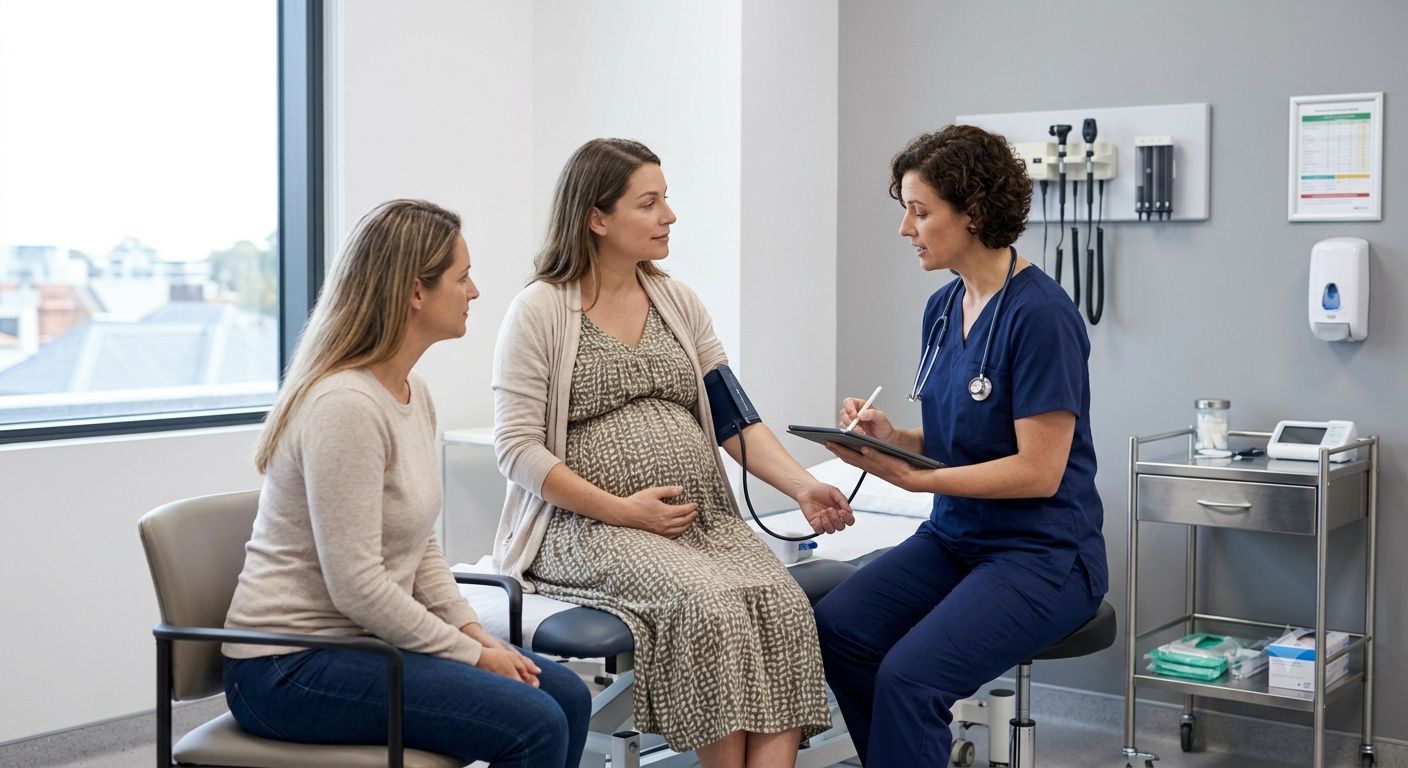
High blood pressure in pregnancy is one of the most common problems obstetricians watch for. It is also one of the most serious if it is not managed well. It can affect women of any age or health background. Its effect on mother and baby can range from mild to very serious.
Getting through a high-risk pregnancy in Melbourne with high blood pressure takes close watching, good medical care, and a care team you truly trust.
This guide explains the types of high blood pressure that can occur during pregnancy, how they are managed, and what to expect if you are affected.
Understanding Blood Pressure in Pregnancy
Blood pressure naturally drops a little in early pregnancy. It is usually at its lowest around the middle of pregnancy, then slowly rises again. This means a reading that looks normal outside pregnancy might actually be a big jump compared to where your own blood pressure was earlier on.
High blood pressure in pregnancy is generally a reading of 140/90 or higher, checked on two separate occasions. But a rise of 25 points or more in the top number, or 15 points or more in the bottom number, can also mean closer checks are needed. This is measured against your own usual reading.
Types of High Blood Pressure in Pregnancy
| Type | When It Starts | Key Feature |
|---|---|---|
| Gestational hypertension | After 20 weeks | High blood pressure only, no protein in urine |
| Chronic hypertension | Before pregnancy or before 20 weeks | Existed before you were pregnant |
| Pre-eclampsia | After 20 weeks | High blood pressure plus signs of organ strain |
| Superimposed pre-eclampsia | On top of chronic hypertension | Highest risk category, needs close care |
– Gestational Hypertension
This shows up after 20 weeks in women with normal blood pressure before pregnancy. There is no protein in the urine and no sign of organ strain. It is a milder form, but it still needs regular checks because it can worsen.
– Chronic Hypertension
This is high blood pressure that was present before pregnancy or was found before 20 weeks. Women with this need to see a specialist early, since they have a higher chance of developing pre-eclampsia.
– Pre-eclampsia
This condition affects more than just blood pressure. It combines high blood pressure with protein in the urine, or signs of strain on the liver, kidneys, or other organs. It usually starts after 20 weeks and can worsen quickly. Signs include bad headaches, blurry or changed vision, pain under the ribs, and sudden swelling. It is one of the leading causes of serious pregnancy problems worldwide, so it always needs fast medical attention.
– Superimposed Pre-eclampsia
This happens when a woman with existing high blood pressure develops pre-eclampsia on top of it. This is one of the highest-risk categories of blood pressure problems in pregnancy.
How High Blood Pressure Affects Your Pregnancy
Raised blood pressure lowers blood flow through the placenta. This limits the oxygen and food reaching your baby. It raises the risk of growth problems, reduced baby movements, and, in severe cases, early separation of the placenta.
For the mother, uncontrolled blood pressure can damage the kidneys, liver, and other organs. In the worst cases, it can lead to eclampsia (seizures) or HELLP syndrome, which involves liver damage, low platelets, and breakdown of red blood cells.
Watching and Managing High Blood Pressure
Good pregnancy care in Melbourne for women with high blood pressure means frequent, well-organised checks all through pregnancy.
This usually includes:
– Blood pressure checks at every visit
– Urine tests for protein at each visit
– Blood tests to check kidney and liver function and platelet levels
– Growth scans to check the baby’s size and the placenta
– Doppler scans to check blood flow
– Heart rate monitoring (CTG) for the baby in the third trimester
Women with existing high blood pressure may need their medicines reviewed early in pregnancy, since some blood pressure medicines are not safe during pregnancy and need to be swapped for safer options.
Medicine in Pregnancy
Several blood pressure medicines are safe and effective during pregnancy. Medicines such as methyldopa, labetalol, and nifedipine are commonly used to manage blood pressure in pregnancy — your obstetrician will decide what’s appropriate for your situation. The aim of treatment is not always a “normal” reading. It is to stop dangerous spikes that could harm a mother or baby.
Low-dose aspirin, started early in pregnancy, is sometimes recommended for women at higher risk of pre-eclampsia. This includes women with chronic high blood pressure, diabetes, or pre-eclampsia in a past pregnancy. Calcium supplements may also help in some cases.
Planning for Birth
Birth is the only real cure for pre-eclampsia. When that birth happens depends on how serious the condition is and how far along the pregnancy is. In mild cases, a woman may be watched carefully until close to her due date. In serious or rapidly worsening cases, an earlier birth is needed to protect both the mother and the baby.
Obstetrician pregnancy care that includes early talks about birth planning gives families time to understand their choices and get ready for different outcomes. For women with serious high blood pressure, giving birth at a hospital with good newborn support may be recommended.
Choosing an Experienced Obstetrician
Managing high blood pressure in pregnancy takes real skill, careful reading of test results, and the ability to act fast when things change.
Dr Steven Hatzikostas is a private obstetrician in Melbourne with over 30 years of experience managing high-risk pregnancies, including those with blood pressure problems. Based at Northpark Private Hospital, with admitting rights at the Royal Women’s Hospital and the Mercy, he brings in other specialists whenever needed.
As a trusted pregnancy complications specialist, Dr Hatzikostas gives all his obstetric patients 24/7 access to a private phone line. For women with blood pressure worries, this kind of availability really matters.
Looking After Yourself
Alongside medical care, there are things you can do to look after your own health.
– Go to every appointment, even if you feel fine. Blood pressure can rise a lot without you noticing any symptoms.
– Take all medicines exactly as prescribed. Never change your dose without checking with your doctor.
– Learn the warning signs of pre-eclampsia and act fast if they show up. Sudden swelling, bad headaches, blurry vision, and pain under the ribs all need urgent attention.
– Rest when you need to. Stress and tiredness can affect blood pressure. Rest is part of your care, not something extra.
– Cut back on salty foods and follow any diet advice from your care team.
– Check your blood pressure at home if your obstetrician suggests it. Keep a record to bring to each visit.
Conclusion
High blood pressure in pregnancy can be managed safely with the right skill and steady checking. Most women with gestational hypertension, and even many with pre-eclampsia, go on to have safe births and healthy babies when supported by good antenatal care in Melbourne.
Dr Steven Hatzikostas offers personal obstetric care for women with blood pressure problems across Melbourne. Getting specialist help early, having regular checks, and clear communication all make a real difference to outcomes for mother and baby.
Frequently Asked Questions
Is it safe to take blood pressure medicine during pregnancy?
Yes, some medicines are considered safe and are widely used in pregnancy to manage high blood pressure. Your obstetrician will check your current medicines early in pregnancy and make any changes needed. Never stop or change blood pressure medicine without medical advice.
What’s the difference between pre-eclampsia and gestational hypertension?
Gestational hypertension is high blood pressure after 20 weeks with no other organs affected. Pre-eclampsia is high blood pressure plus protein in the urine or signs that the liver, kidneys, or blood are under strain. Pre-eclampsia is the more serious condition and needs closer watching.
Can I get pre-eclampsia again if I had it before?
Yes, having had pre-eclampsia before raises the chance of it happening again. Your obstetrician will talk with you about this history and may suggest low-dose aspirin or other steps from early in the pregnancy.
What symptoms mean I should contact my obstetrician straight away?
Contact your obstetrician or hospital right away if you get a sudden, severe headache, vision changes, pain under your ribs, sudden, severe swelling in your face or hands, or trouble breathing. These are warning signs that need to be checked quickly.
Does high blood pressure in pregnancy affect my health long-term?
Women who develop high blood pressure in pregnancy, especially pre-eclampsia, may have a slightly higher chance of heart problems and kidney issues later in life. It is worth talking to your GP about long-term check-ups once your pregnancy is over.