
 03 9467 9444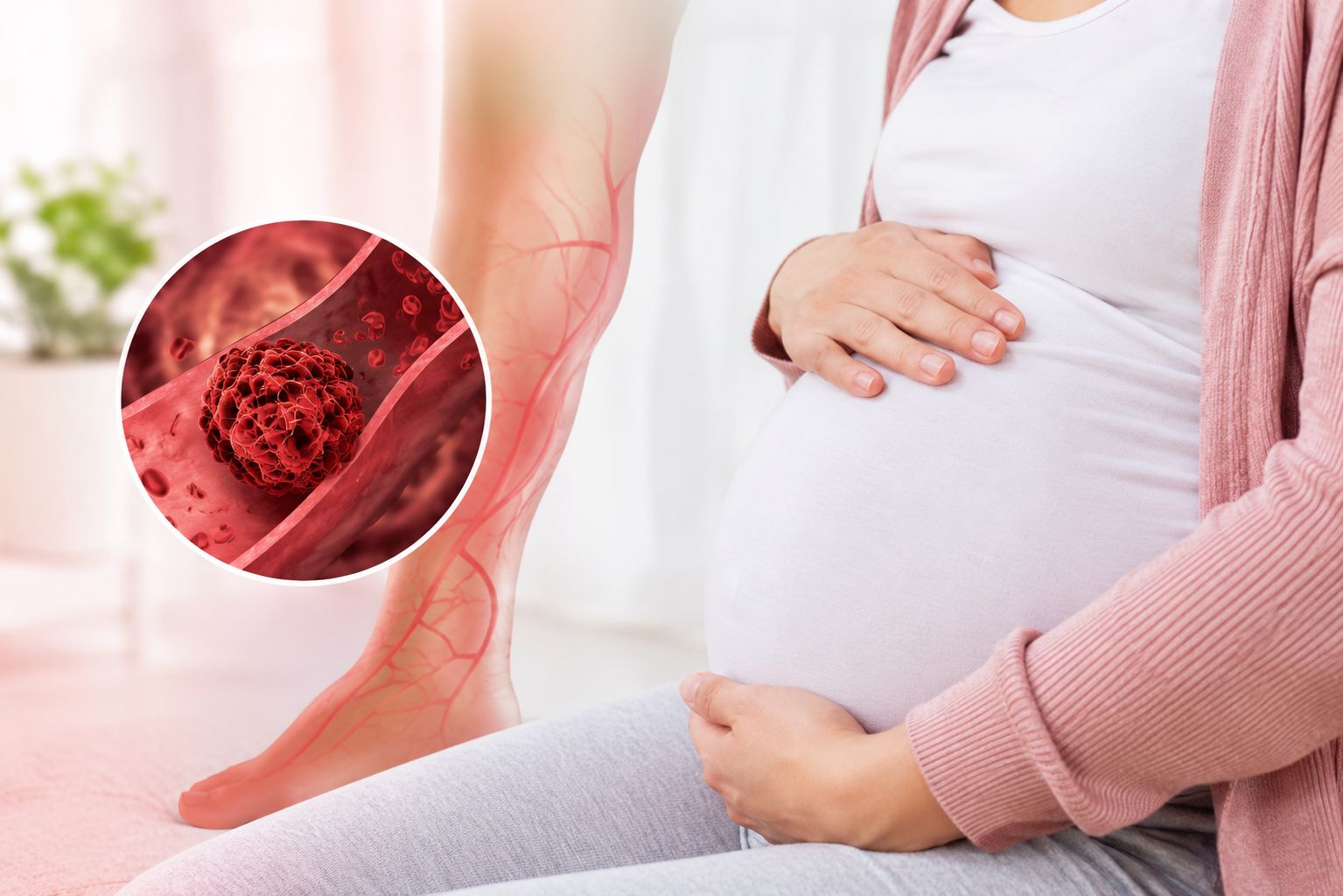
Pregnancy changes how your blood clots and flows throughout your body. For most women, this change is a normal part of pregnancy. For some, it can tip into something that puts both mother and baby at real risk. Blood clotting issues are an important, and often overlooked, part of high-risk pregnancy in Melbourne. Knowing what to look for, and when to get help, can save a life.
This guide explains blood clotting problems in pregnancy, from conditions you’re born with to leg clots, and what specialist care looks like when these issues arise.
Why Blood Clots More Easily in Pregnancy
During pregnancy, your body’s clotting system shifts on purpose to clot a bit more easily. This is a natural way of protecting you from losing too much blood during birth. Blood volume goes up a lot, leg veins get squeezed by the growing womb, and some clotting factors become more active.
This shift is helpful at the right time. But it also means pregnant women have a higher chance of getting clots that cause problems, especially deep vein thrombosis (DVT) and pulmonary embolism (PE). The risk is highest in the third trimester and for six weeks after birth.
What Are Thrombophilias?
Thrombophilias are conditions, either inherited or acquired during life, in which blood clots more easily than normal. They affect blood flow through the placenta and can seriously affect both mother and baby.
Inherited thrombophilias include:
- Factor V Leiden (a gene change)
- Prothrombin gene change
- Protein C or Protein S deficiency (not enough of these proteins)
- Antithrombin III deficiency
Acquired thrombophilias include:
- Antiphospholipid syndrome (APS), which can cause repeated miscarriage, placenta problems, and clots in the mother
- Lupus anticoagulant
Not every woman with thrombophilia will have problems in pregnancy, but the risk is higher. A good look at your health history and your family’s history matters, and testing is worthwhile when risk factors are there.
How Thrombophilias Affect Pregnancy
| Thrombophilia Type | Examples | Main Pregnancy Risk |
|---|---|---|
| Inherited | Factor V Leiden, Protein C/S deficiency | Placental clotting, growth restriction |
| Acquired | Antiphospholipid syndrome, Lupus anticoagulant | Recurrent miscarriage, pre-eclampsia |
When small blood vessels in the placenta clot, the placenta cannot supply the baby with oxygen and food as well as it should. This can lead to:
- Repeated miscarriage
- Growth restriction (IUGR)
- Pre-eclampsia
- Placenta separating early
- In serious cases, stillbirth
Finding thrombophilia early through proper testing means a treatment plan can be in place before these problems start.
Deep Vein Thrombosis in Pregnancy
DVT happens when a blood clot forms in a deep vein, most often in the leg. Signs include pain, swelling, warmth, and redness in the affected leg. Not every DVT causes clear symptoms, which is why awareness and quick checking matter.
If a clot in the leg breaks off and travels to the lungs, it causes a pulmonary embolism (PE), which is a medical emergency. Signs of PE include sudden shortness of breath, chest pain, a fast heartbeat, and coughing up blood. Any of these signs in a pregnant woman need an immediate trip to the hospital.
Pulmonary embolism is one of the top causes of maternal death in wealthy countries. This is why prevention and early spotting are taken so seriously in private pregnancy care in Melbourne and everywhere else.
Testing and Checking
When a clotting concern is found or suspected, the evaluation usually involves a series of blood tests. These are best read by an experienced doctor who understands how pregnancy itself alters normal clotting, since many clotting factors change significantly during pregnancy.
A good family history is always a useful starting point. If a close relative has had a DVT, PE, or pregnancy problem linked to clotting, this raises suspicion of an underlying thrombophilia.
For women with suspected antiphospholipid syndrome, specific antibody tests are done, ideally at least 12 weeks apart on two separate occasions, before a firm diagnosis is made.
Treatment During Pregnancy
Treatment depends on the specific condition found.
Clexane (enoxaparin), a type of blood thinner, is the most common treatment used in pregnancy. It is given as a daily injection under the skin that you can do yourself. Unlike warfarin, Clexane does not cross the placenta, so it is considered safe for the baby.
Low-dose aspirin is another key tool, especially for women with antiphospholipid syndrome or a higher risk of placenta problems.
Compression stockings are recommended for all pregnant women with a higher DVT risk, especially during long trips or times of less movement.
Treatment usually continues through pregnancy and for a while after birth, since the after-birth period also carries a higher clotting risk.
The Role of Specialist Care
Managing blood clotting in pregnancy requires a doctor skilled at interpreting complex blood test results and adjusting treatment as the pregnancy progresses. A complex pregnancy specialist in Melbourne with experience in thrombophilias can work with blood specialists and fetal medicine doctors when needed.
Dr Steven Hatzikostas is an experienced obstetrician and gynaecologist in Melbourne who has cared for many women with clotting disorders and high-risk pregnancies over more than 30 years. His practice at Northpark Private Hospital offers additional monitoring, including regular Doppler scans to assess placental blood flow in women being treated for thrombophilias.
As a trusted pregnancy complications specialist, Dr Hatzikostas offers 24/7 access to a private phone line for his obstetric patients. This matters when a woman’s situation needs a fast recheck at any hour.
What You Can Do to Lower Your Risk
Alongside medical treatment, there are simple steps that every pregnant woman at higher risk of clotting can take.
- Wear compression stockings through pregnancy, especially if you stand or sit for long stretches.
- Drink plenty of water. Dehydration thickens the blood and increases the risk of clotting.
- Keep moving on long trips. Stop often on car journeys and move around on long flights.
- Report any leg pain, swelling, or breathlessness to your care team straight away. Do not wait to see if it clears up.
- Take medicines exactly as prescribed, even if the daily injections feel inconvenient.
- Go to all your antenatal care appointments in Melbourne, including Doppler checks.
Conclusion
Blood clotting concerns in pregnancy can be managed effectively with the right diagnosis, treatment, and ongoing specialist oversight. The key is to catch the issue early and have a clear plan in place before problems start.
Dr Steven Hatzikostas provides thorough, experienced obstetric care for women with clotting disorders and complex pregnancies in Melbourne. If you or your family have a history of clotting problems, or you have had pregnancy complications that may be linked to a thrombophilia, getting specialist advice early is a genuinely important step.
Frequently Asked Questions
How do I know if I have thrombophilia?
Many women don’t know until a pregnancy problem happens or a family history prompts testing. Blood tests can pick up most inherited clotting disorders. If your family has a history of DVT, PE, or repeated pregnancy loss, it is worth asking your obstetrician about testing before or early in pregnancy.
Is Clexane safe in pregnancy?
Yes, this type of blood thinner is widely considered safe in pregnancy. It does not cross the placenta and does not affect the baby. It needs to be paused or adjusted before labour, and your obstetrician will guide you on timing.
What are the signs of a DVT in pregnancy?
Common signs are swelling, pain, warmth, and redness in one leg, usually the calf. But DVT does not always cause clear symptoms. If you notice any of these signs, tell your care team straight away.
Can I have a natural birth if I’m on blood thinners?
In many cases, yes. Blood-thinning injections are usually paused before a planned birth, and your obstetrician will talk you through the timing in advance. How your labour and birth are managed is adjusted based on your treatment and your own situation.
Does antiphospholipid syndrome always cause pregnancy problems?
Not always, but it significantly increases the risk without treatment. Women with APS who get the right treatment, usually low-dose aspirin and Clexane, often have successful pregnancies. Finding it early and managing it carefully are the two biggest factors in a good outcome.